
Book Summaries

“The Attributes of God” offers A.W. Tozer’s profound exploration of the divine nature and character. Drawing from his deep theological insight and pastoral heart, Tozer examines the fundamental qualities that define God—His holiness, love, sovereignty, wisdom, and justice—presenting them not as abstract concepts but as living realities that transform how we understand both God and ourselves.
Tozer’s approach is both reverent and practical, demonstrating how each attribute of God directly impacts daily life and spiritual growth. His writing combines theological depth with devotional warmth, making complex divine truths accessible whilst maintaining a sense of awe and wonder at God’s majesty.
The work serves both as theological education and spiritual formation, appealing to anyone seeking to deepen their understanding of the divine character. Whether you’re a longtime believer or someone curious about the nature of God, Tozer’s insights offer a transformative perspective on the attributes that make God both utterly transcendent and intimately personal.

“The Abolition of Man” presents C.S. Lewis’s compelling examination of education, morality, and human nature. Written as a response to modern educational trends that dismiss objective moral values, Lewis argues that abandoning universal moral principles—what he calls the “Tao”—ultimately dehumanises society.
Through sharp analysis and philosophical insight, Lewis demonstrates how relativistic thinking, whilst appearing progressive, actually undermines the very foundations of human dignity and rational discourse. He warns that when we reject absolute moral standards, we risk creating a world where those in power can manipulate and control others without ethical restraint.
Though originally delivered as lectures, the work reads as an urgent appeal for preserving what makes us truly human. Whether you’re interested in philosophy, education, or cultural criticism, Lewis offers a thought-provoking defence of objective morality that challenges readers to consider the consequences of abandoning time-tested moral foundations.
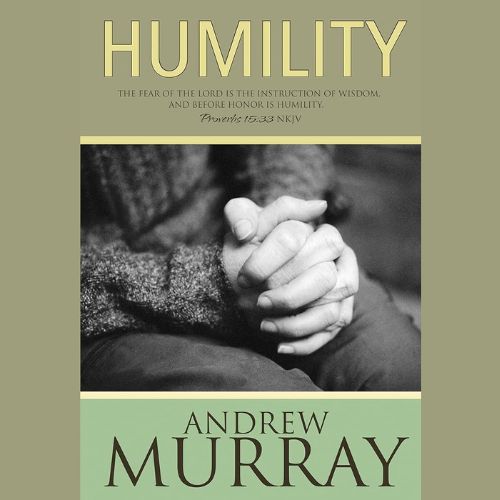
Humility by Andrew Murray is a timeless Christian classic that explores one of the most overlooked yet essential virtues in the spiritual life. Far from being a passive or weak trait, humility is presented as the very essence of Christ’s character and the foundation of all true holiness. With clarity and depth, Murray reveals how pride subtly hinders our spiritual growth, while humility opens the door to grace, rest, and transformation.
Throughout the book, readers are invited to look to Jesus—not merely as a Saviour but as the perfect example of self-emptying love. Murray challenges us to make humility not just an occasional posture but a continual way of being. He explains that true humility is revealed in how we relate to both God and others, calling us to embrace lowliness of heart, quiet service, and spiritual dependence as marks of mature faith.
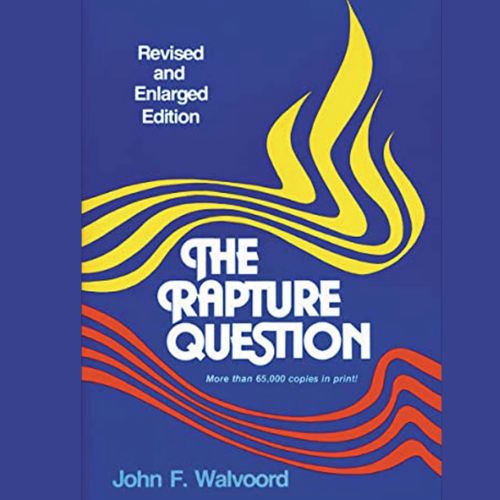
In The Rapture Case, prophecy scholar John F. Walvoord lays out a biblical argument for the pretribulational rapture—the belief that Christ will return for His Church before the Tribulation period begins. With clarity and reverence, he distinguishes between the rapture and the second coming, making the case from both Old and New Testament texts.
Far from being speculative or alarmist, Walvoord’s approach is deeply pastoral. He shows how the doctrine of the rapture is meant to encourage believers, anchoring their hope in God’s promise to deliver them from wrath. The emphasis is not on setting dates, but on cultivating readiness.
Whether you’re new to end-times study or seeking clarity on prophetic timelines, this book offers a steady guide. With its focus on God’s sovereign plan and Christ’s imminent return, The Rapture Case inspires watchfulness, holiness, and hope in a world that desperately needs all three.
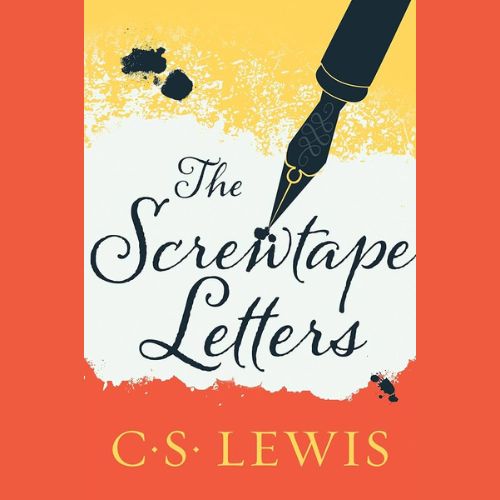
The Screwtape Letters by C. S. Lewis is a brilliantly imaginative exploration of spiritual warfare from the perspective of the enemy. In a series of fictional letters, a senior demon named Screwtape instructs his young nephew, Wormwood, on how to tempt and manipulate a human “patient.” Through this reverse lens, Lewis unveils deep truths about temptation, faith, pride, and perseverance.
What makes this work so compelling is its piercing insight into human nature and its subtle exposure of the devil’s strategies. By presenting evil in such a cunning and calculated tone, Lewis teaches readers to be more alert to the small compromises and inward struggles that often go unnoticed. The wit, irony, and theological clarity make it both entertaining and sobering for Christian readers.
This mini-book summary offers key lessons, spiritual reflections, and daily practices drawn from the letters. Whether you’re new to the book or revisiting its insights, you’ll find timeless truths to equip your heart and mind in the Christian walk. Let this be a resource to sharpen your discernment and strengthen your resistance against the subtle schemes of the enemy.
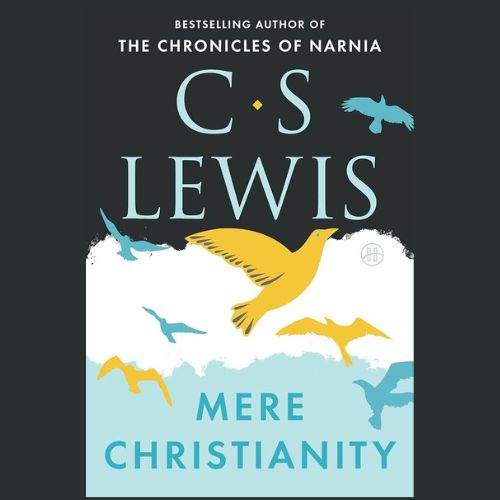
Lewis, a former sceptic turned believer, builds his case methodically—from the existence of universal moral principles to the central claims about Jesus Christ. His approach is refreshingly honest, addressing common doubts and objections with intellectual rigour whilst maintaining a conversational, relatable tone.
Rather than focusing on denominational differences, Lewis explores the shared foundations of Christian thought, making complex theological concepts understandable through vivid analogies and clear reasoning. The result is a work that speaks to believers and seekers alike, offering a rational framework for understanding both faith and moral living.
Whether you’re exploring spiritual questions for the first time or seeking to deepen existing beliefs, “Mere Christianity” provides a compelling introduction to one of history’s most influential worldviews, presented by one of the 20th century’s most respected thinkers.
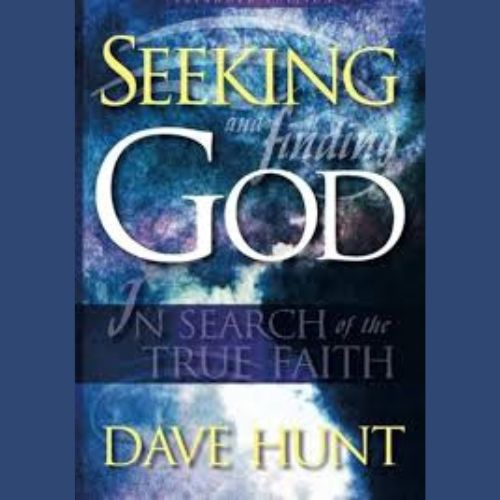
In Seeking and Finding God, Dave Hunt invites readers on the most vital pursuit of human existence — the search for truth about God, life, and eternity. With characteristic clarity and conviction, Hunt challenges the complacent notion that faith is a matter of personal opinion, urging instead that it must rest upon verifiable truth. He exposes the danger of trusting in religious tradition, emotion, or philosophy, and directs the seeker to the unshakable foundation of Scripture — the only source that offers evidence strong enough to prove the Bible’s divine authorship beyond question.
This compelling work dismantles the myths of relativism and points to the historical, prophetic, and moral uniqueness of the Bible, presenting Jesus Christ as the undeniable fulfilment of God’s redemptive plan. Seeking and Finding God is both an invitation and a challenge — an invitation to honest seekers to test the truth, and a challenge to believers to stand firmly upon the certainty that God can, indeed, be known.